
Are Cultured Pearls Worth Investing In?
Absolutely, cultured pearls hold significant value in the global jewelry
market. Unlike rare natural pearls that fetch sky-high prices at auctions,
top-tier cultured pearls—especially saltwater varieties like Australian South
Sea pearls and Tahitian black pearls—are still quite valuable. Premium pearl
strands often sell for thousands, even tens of thousands, of dollars.
The value of cultured pearls depends on seven core criteria: size, shape,
color, luster, surface cleanliness, nacre thickness, and the uniformity of all
pearls in multi-pearl pieces (such as necklaces). Pearls with a large diameter,
strong and highly reflective luster, few (or even no) visible surface flaws,
and popular hues—like the golden glow of Australian South Sea pearls or the
deep peacock green of Tahitian pearls—naturally command very high prices. Among
these, Australian golden South Sea pearls, with their exceptional size
(typically 9–16 mm in diameter) and rich, warm color, are even classified as
one of the most investment-worthy categories of cultured pearls.
Compared to the two top-tier cultured pearl varieties mentioned above,
freshwater cultured pearls are slightly more affordable—but this does not mean
they lack investment value. Referring to the seven core criteria mentioned earlier,
if freshwater cultured pearls meet such quality standards, they are also well
worth buying and collecting.
Cultivating pearls is not a quick or easy process. From selecting healthy
mollusks to maintaining clean, temperature-controlled water environments, the
entire process requires 2–5 years of professional work. This investment of
time, technology, and resources ensures that even mid-priced cultured pearls
remain a worthwhile choice in the eyes of jewelry enthusiasts.
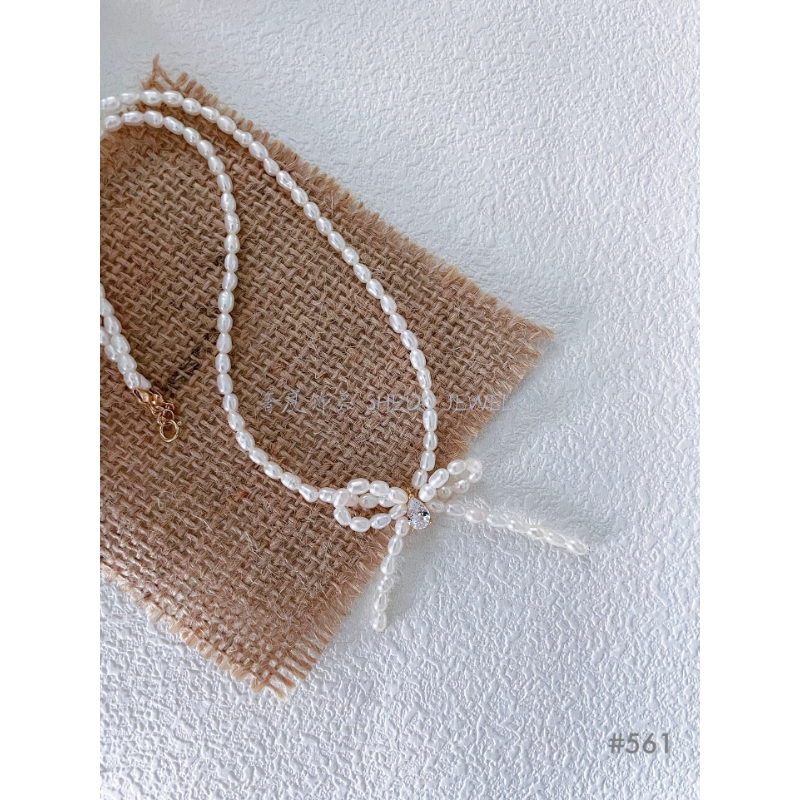
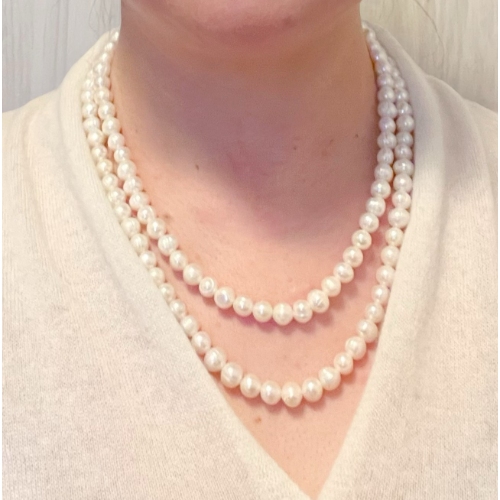 Beyond the Choker: Why the 100cm "Pearl Rope" is the Most Versatile Piece in Your Shop
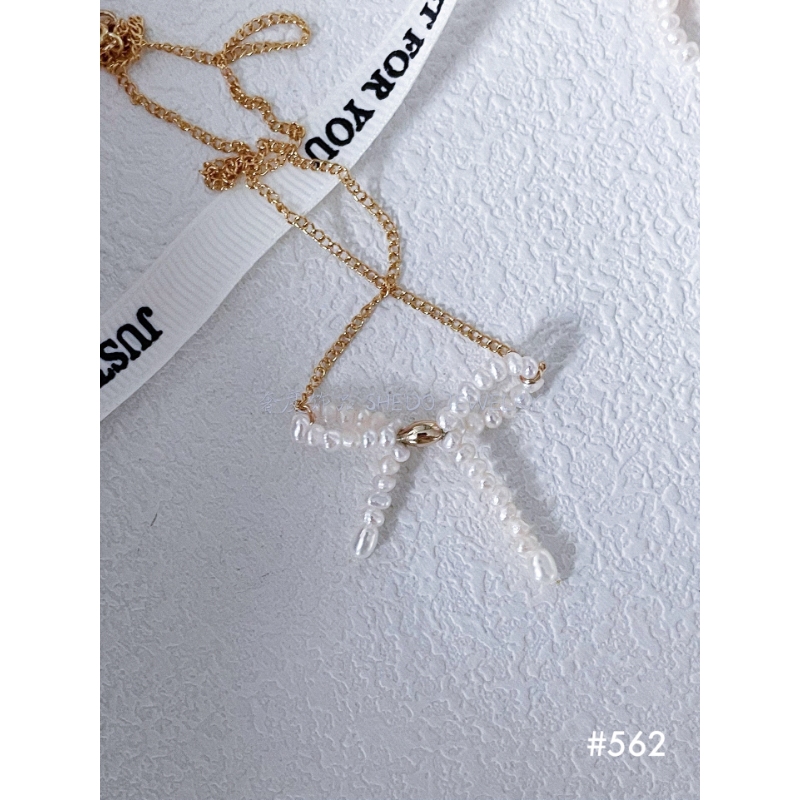 Gold-Filled vs. Plated: Why Material Matters for Your Boutique's Reputation
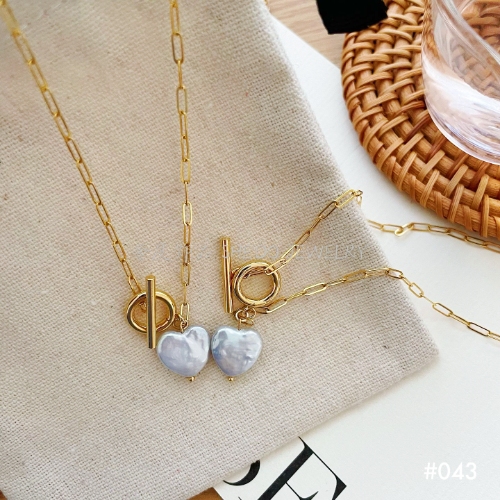 Valentine’s Day Merchandising: The "High-Low" Strategy for Maximum Sales